Who looks after a task once it is automated?
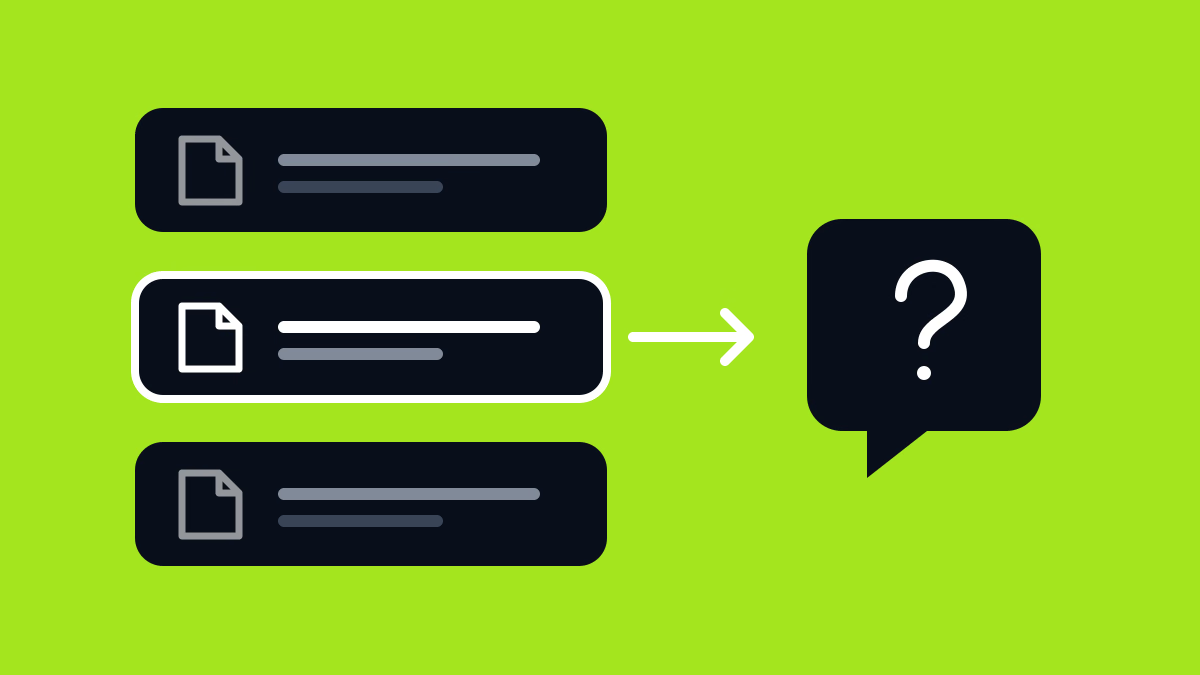
After a task is automated, someone still needs to decide what the result is for, how it will be checked and whom to ask when something needs fixing. The check concerns more than whether the process finished. Does this result have the information needed for its intended use?
Consider a fictional company that maintains warehouse loading doors. The people, documents, workflow and review notes below are invented for this explanation. They are not Supasaito or client experience, or observed responses from a particular AI model. We will follow the same monthly report through a missing source, a new reader and a changed meeting question.
The monthly report exists, but the sales summary is missing
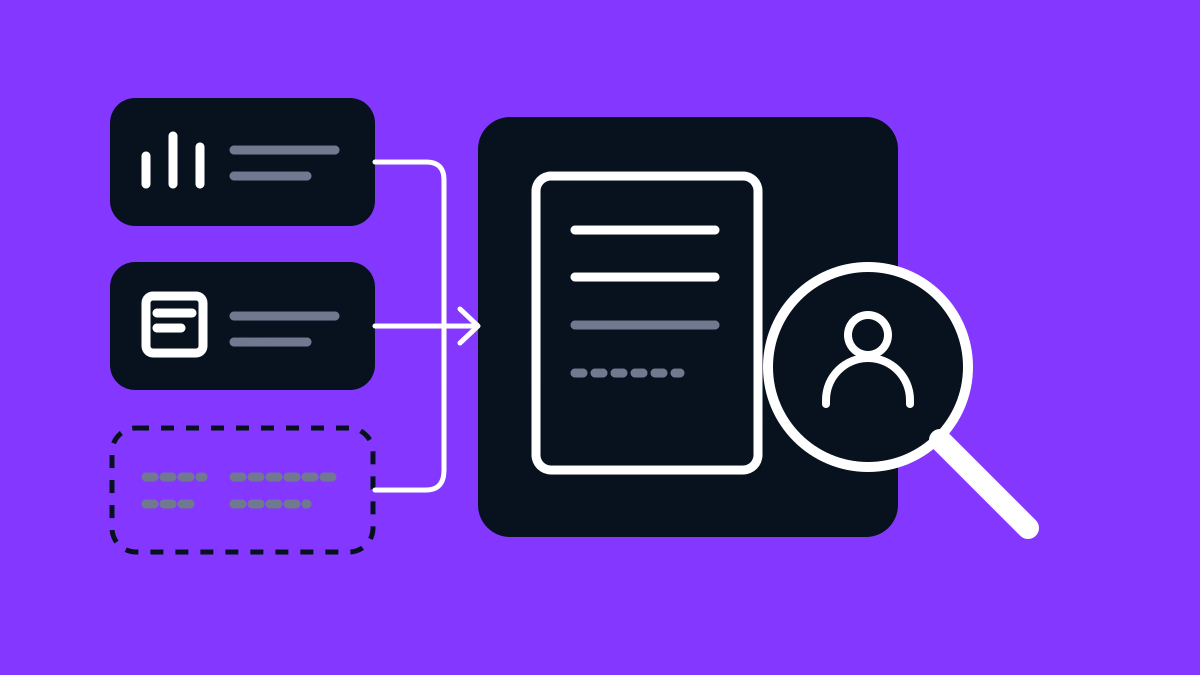
Maya coordinates marketing. Each month, she meets with Ken, the commercial manager, to discuss which campaigns need further investigation or a change. Their report brings together website traffic, a sales enquiry summary and Maya’s notes on the campaigns they ran.
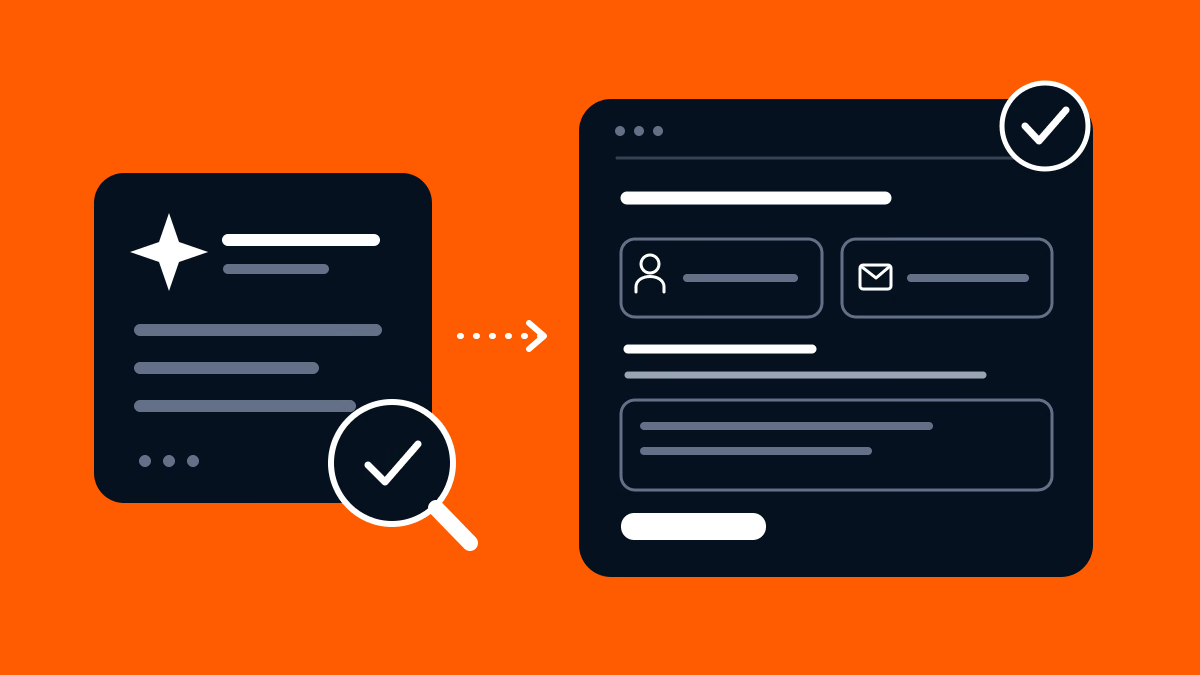
The team has automated the recurring preparation. A predefined process retrieves the materials and uses artificial intelligence (AI) to draft the narrative. It saves the document in a shared folder for the reporting month. Maya checks it before sharing it with Ken; sending it to the meeting participants is not automated.
In this fictional arrangement, the draft is due at 09:00 Japan time on the first working day after month end. Maya checks it by noon, ahead of the meeting at 14:00 on the following working day. These are the team’s illustrative arrangements, not a recommended schedule for every automation.
One month, Maya opens the draft and looks at its source list. It names the current traffic export and campaign notes, but not the current sales summary.
She opens the input folder for the same reporting month and compares it with the expected materials in the operating note. The sales summary is missing. In a review note beside the report, she records:
Current traffic export and campaign notes checked. Sales summary not yet verified. Hold conclusions about enquiry counts; ask Ken whether the summary is available.
That absence does not establish that there were zero enquiries. A suitable source that explicitly records zero would be different. Nor should an older summary silently take its place: the reader needs to know which period the information describes.
The UK government’s data quality guidance recommends communicating missing information, its reasons and the period represented. Maya’s note is our example of applying that approach to a monthly report.
Who should Maya ask, and what can the meeting still use?
Maya first asks Ken, who supplies the sales summary, whether the current version has been prepared. If it has not, someone needs to prepare it. If it exists but the workflow did not retrieve it, she asks Ren, who maintains the connections and technical steps, to investigate.
The division of responsibility now has a practical purpose. Maya decides whether the report is suitable for the meeting. Ken supplies the sales information. Ren checks the retrieval process. If Maya cannot perform the review, Aki, a marketing colleague with the agreed source access, checks the draft against the same operating note.
The NIST AI Risk Management Framework describes clear responsibilities and communication, with continuing review during operation. The Maya, Ken and Ren arrangement illustrates those ideas; it is not a prescribed staffing model.
Maya also asks Ken what they can discuss while waiting for the missing material. If the meeting can use the traffic export and campaign notes to identify questions for investigation, they may use a clearly limited report. If the intended decision requires enquiry information, they must hold the report for that decision. A short manual note from the checked sources may be sufficient for a narrower discussion.
Maya does not need to turn off the process that prepares the draft just because Ken’s summary is missing. She can let it collect the other materials, while leaving enquiry counts out of the report used in the meeting. If she cannot check which parts of a draft are reliable, she withholds the whole draft until the problem has been investigated. The NIST Playbook describes options for addressing an affected part of an AI system or intervening more widely when necessary. Here, Maya applies that distinction by deciding which parts of the report she can use.
In the note beside the draft, Maya writes: “Sales summary missing. Asked Ken to provide it. Check the report’s enquiry figures against that summary before using them.” When Ken supplies the file, she can open the note and carry out that check before deciding whether to use the enquiry section.
For more detail on preparing source material and handling gaps, see what AI needs to write about your company. Its article-writing example shows how to separate what the materials support from what someone still needs to confirm.
A later report has a new reader
In a later cycle, Emi takes over Ken’s monthly meeting. Before sharing the report with her, Maya confirms with the responsible manager what Emi needs and which material she may access.
Maya updates the intended recipient in the operating note and compares it with the document’s actual sharing destination. She also checks what Ken still needs for his remaining duties. A handover does not by itself mean removing all of his access.
The UK National Cyber Security Centre’s secure user management principle describes limiting permissions to the resources needed for a purpose and maintaining them as needs change. Here, the team applies that principle to a changed report recipient.
If the workflow has a configured destination, Ren checks the relevant setting too. If it does not, there is no reason to add a technical change. Maya still checks and shares the document herself.
Emi needs a different answer
Before a subsequent meeting, Emi asks to discuss enquiries for a newly introduced loading-door maintenance plan. Maya revisits the sales summary before asking AI to change the report’s wording.
The summary combines all services. It does not identify enquiries for the new plan. The same total could include many enquiries for the new plan, few or none. Maya cannot tell which from this summary. Asking AI to write about the new plan does not supply the missing information; she needs a sales record that identifies which enquiries concern it.
Maya asks the person responsible for the sales material whether a suitable breakdown can be supplied. She also tells Emi what the current summary cannot show. They need to decide whether to wait, prepare a separate note from information they can verify, or leave the service-specific conclusion open for this meeting.
The UK government’s Data Quality Framework treats data quality in relation to its intended use. In Maya’s report, material adequate for the old meeting question may be insufficient for the new one.
The review can also change what the team continues to produce. Maya and Emi can discuss dropping a section they no longer use. They could keep the useful automated steps and handle the remaining work manually. They want a report that helps Emi discuss the current marketing questions. If a section no longer helps that discussion, they can stop preparing it, even if the automation could continue producing it.
What makes the corrected report usable?
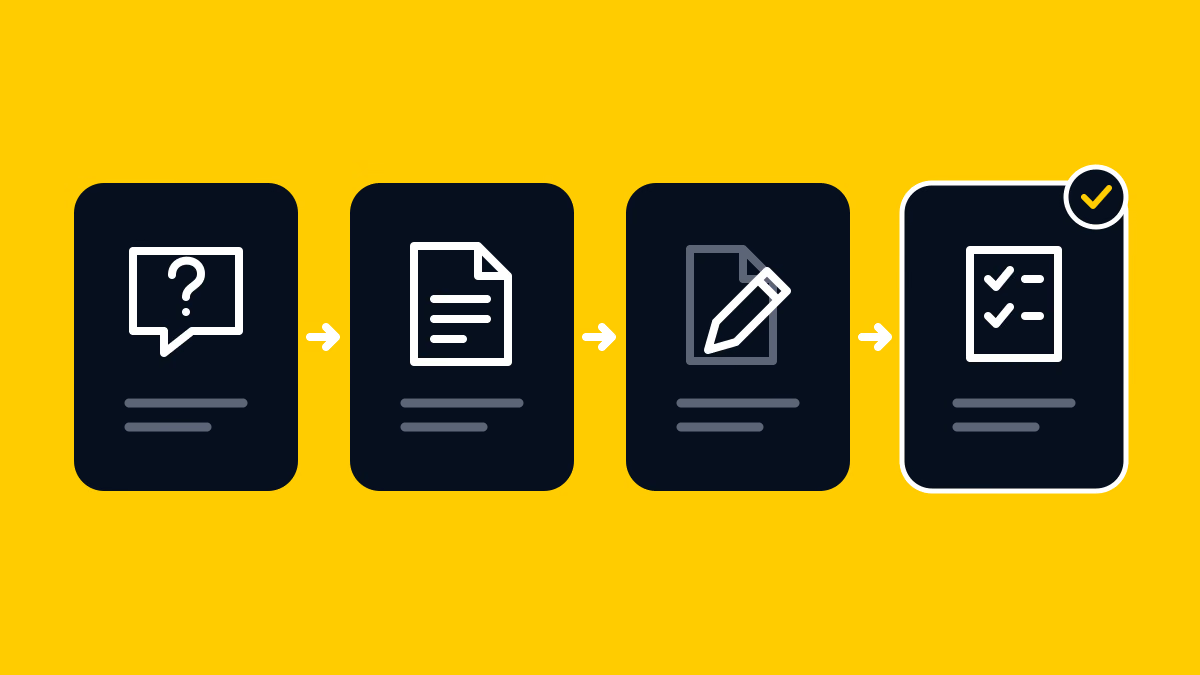
After changing an input or setting, the team opens the new draft. Ren checks any changed retrieval or destination step against what they agreed. Maya, or Aki covering the review, compares the document with its reporting month, available sources, intended reader and meeting question.
A conclusion about enquiries needs the relevant sales information for that period. An answer about the new plan needs information that distinguishes it. If that material is still unavailable, the review note identifies which part remains held.
The note records the problem, who decided what to do, the corrected version and the check result. If Aki performed the review, that review stays with the document for Maya’s decision about using it. The operating note also names the person who will check the next cycle.
The UK Government AI Playbook relates human involvement to factors such as the output’s complexity and impact. Maya’s review before sharing is an arrangement for this report, rather than a rule that every automated output needs the same treatment.
Maya can now decide whether to use the checked parts of the report for this meeting. A generated document, a completed technical fix or her approval does not by itself demonstrate more enquiries or sales. Our article on AI mentions and customers explains why business questions need distinct outcome records.
Looking after this automation does not mean recreating the report manually every month. Maya checks the necessary materials, discusses changed conditions and decides what needs to be made usable again. Ren’s repairs and Aki’s review feed that decision. Their operating note makes those responsibilities available to the person taking over the next monthly report.
FAQ
- Should the person who built the automation also check its content?
-
They can, but the roles are separate in this example. Ren checks the technical steps; Maya checks whether the report can serve the meeting. The team needs to know who can make the content decision and whom to ask for a correction.
- Should everything stop when one source is missing?
-
That depends on the decision the source supports. Checked material may still answer a narrower question if its limits are clear. If the missing source is essential to the meeting’s purpose, hold the report for that decision.
- Does a person need to review every automated output?
-
The same review arrangement does not suit every automation. This monthly report has a check before sharing. For another task, decide where people should intervene according to its use, consequences and available checking methods.
- Does a successful run mean the corrected report can be used?
-
It does not establish that the necessary sources are present or the content answers the current question. In this example, Ren checks the changed steps, Maya or Aki compares the report with its sources, and Maya decides whether to use it.