How do you turn a colleague’s knowledge into a useful article?
Ask a colleague about one real situation, keep the reasons and sources, and check that the article says only what those sources support.
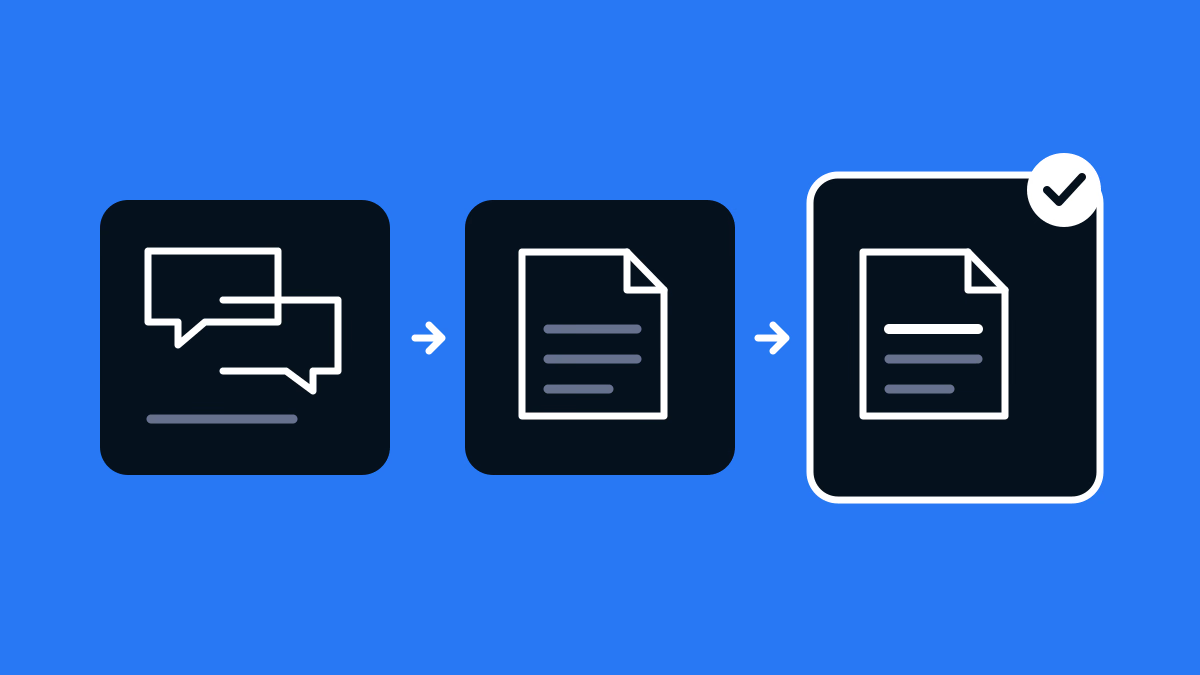
Table of contents
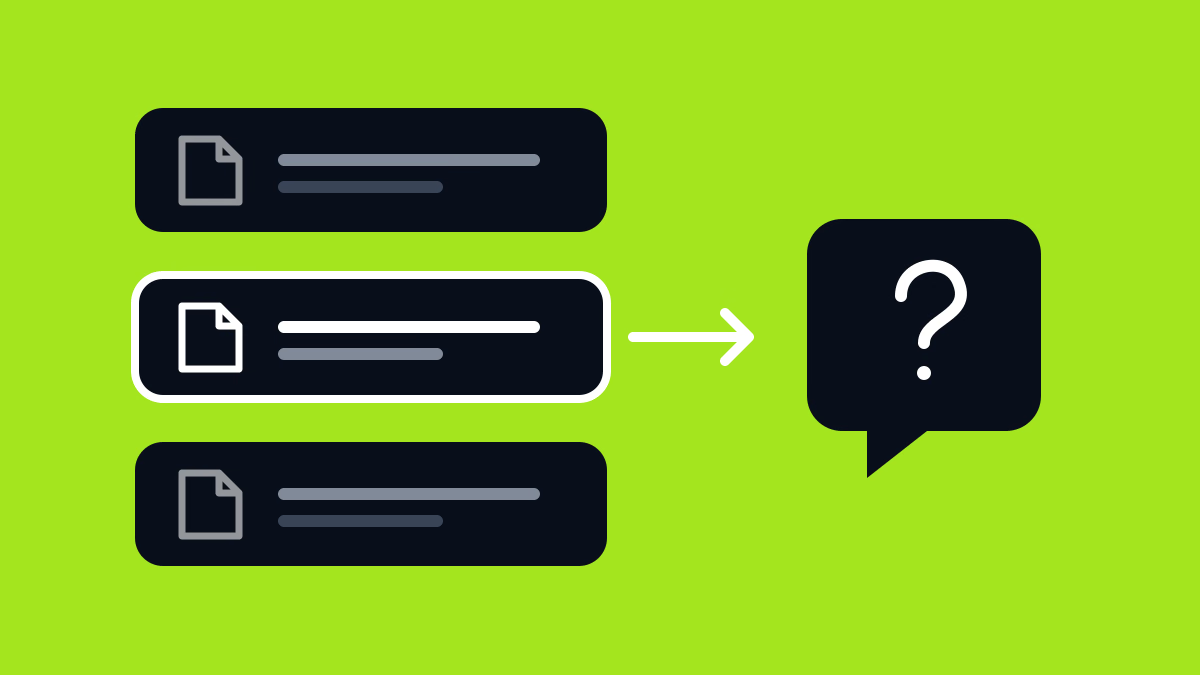
Decide what the article needs to explain, then read the company documents you already have. Ask a colleague to show you what happened in one specific situation. Find out what they did, why they did it and when they would do something different. Use their answers to write the article, then ask them to check that your words still mean what they intended.
Start with what you still need to understand
The following example is fictional. The company, people, documents and conversations are invented. They do not describe Supasaito or a real customer.
Nora manages the blog for a company that maintains packaging equipment. She is preparing an article for people who want to contact the company about maintenance. The article will explain what information they should send.
The company’s service sheet lists three things:
Tell us the equipment identifier, its location and what you would like help with.
Nora needs to explain more than these three items. What should someone do if they cannot find the equipment identifier? Why does the company ask for this information?
She finds a message from someone who did not know the identifier. Then she asks Ken, a technical colleague, to explain how he handled that enquiry. Nora wants to understand what he asked the person and why. She is not asking him to add more information requests to the service sheet.
British Columbia’s guide to interviewing experts recommends reading the existing content and checking who it is for. In Nora’s case, that means reading the service sheet and remembering who will use her article: people preparing a maintenance enquiry.
If you have not yet decided what your article should explain, our guide to choosing useful blog topics covers that step. Nora has already chosen her question. Now she needs the knowledge to answer it.
Ask short questions about one example
Nora tells Ken who the article is for and what she wants to explain. They agree that she will take notes for the article and leave out information the company cannot share publicly.
She prepares a few questions:
- What did you ask this person?
- Why did you need to know that?
- What did you do when they could not answer?
- Where can we check what the company tells people to do?
These questions give her a starting point. She can ask another question when she does not understand an answer.
GOV.UK’s interview guide describes how to ask people about their experience of using a service. It suggests asking about real examples and following up when an answer is unclear. Nora uses that approach to understand Ken’s work on this enquiry.
Ken first says, “I asked for the information we needed, then considered the next step.”
Nora does not yet know what he means. She asks, “What did you actually ask them?”
Ken opens the enquiry record. He explains that he asked what the person knew about the equipment and what they wanted help with.
Nora then asks, “Why did you not wait until they found the identifier? Would that have told you everything?”
Ken explains that the identifier would help him work out which equipment they meant. It would not tell him what help they wanted. He would still need to ask about that.
He also explains what he had not done. He had asked questions to understand the enquiry. He had not decided what work the equipment needed.
Nora checks that she has understood:
You started with the information they had. Then you asked what else you needed to know. That did not mean you had already worked out what was wrong with the equipment.
Ken confirms that this is what he meant. Nora now understands his explanation. She still needs to check whether the company gives the same advice to everyone making this kind of enquiry.
Find out what the company can say in the article
Nora asks Ken, “Was that your decision for this enquiry, or is it how the company currently asks people to contact us?”
To answer, Ken opens an internal note used by the team that handles maintenance enquiries. It explains what to tell someone who does not have all the equipment information. Nora asks the person responsible for the service to confirm that the team still uses it.
The team’s current enquiry note
Describe the information you have and say what you do not know. The team will clarify what additional information it needs.
This note gives Nora something she can use to explain the company’s process. The original service sheet does not say that all three items must be supplied before someone can contact the company.
Nora keeps the documents and her conversation notes together. She records what each one tells her:
- The person’s message shows what was missing from this enquiry.
- Ken’s explanation tells her what he asked and why.
- The team’s enquiry note tells her what the company currently asks people to do. The person responsible for the service has confirmed it.
GOV.UK’s guide to taking notes makes a useful distinction: write down what you saw or heard, and keep your own explanation separate. Nora does this by recording Ken’s answer before deciding how to use it in the article.
She is now ready to write the part of the article about a missing equipment identifier. She makes a short note for that part:
| What Nora records | Her note |
|---|---|
| What this part of the article needs to explain | What to do if you cannot find the equipment identifier |
| What supports the answer | The team’s current enquiry note, confirmed by the person responsible for the service |
| What Ken explained | He asked about the information available and the help the person wanted. He then checked what else he needed to know. |
| What the article must keep clear | The identifier is still unknown. The team may need to ask for more information. |
| What the article must not promise | That the company can always decide what work is needed from the first enquiry |
This is one way to keep the information needed for writing and checking together. You do not need this exact table for every article.
If you record a conversation or use a transcription service, first agree how the recording may be used and shared. Also keep a summary separate from an exact quotation. A summary gives the meaning; it does not necessarily preserve the speaker’s words.
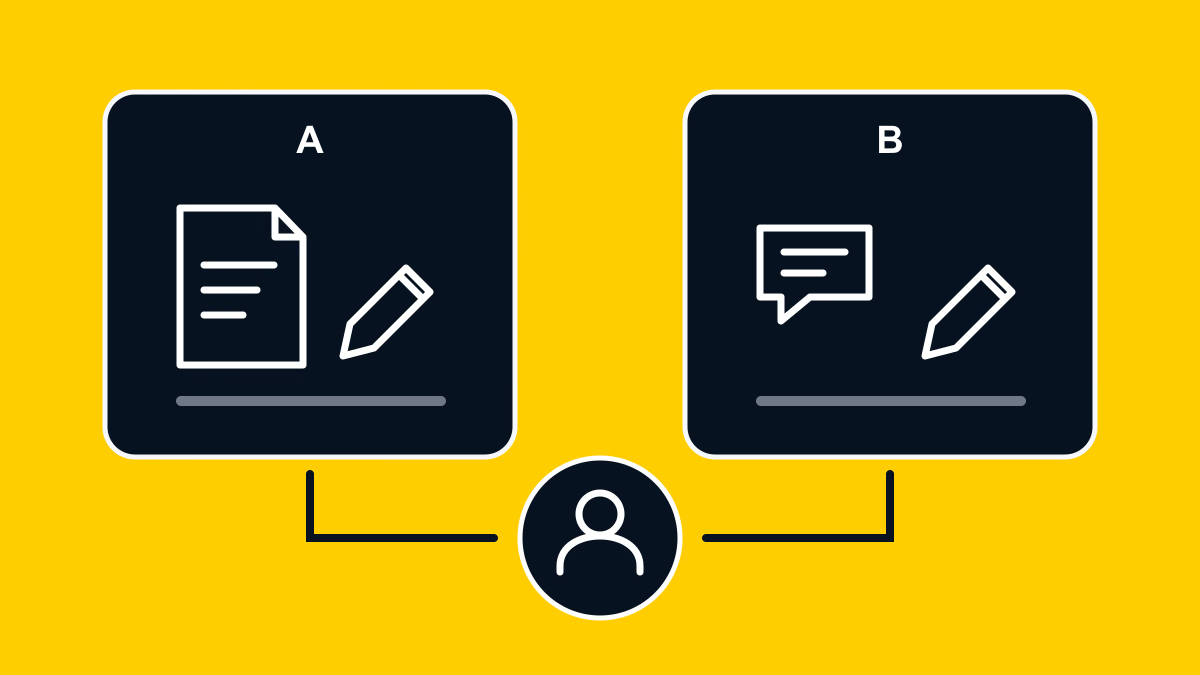
Ask your colleague to check the paragraph you wrote
Nora’s first attempt says:
Send the equipment details you have and we will tell you what work is needed.
Ken explains why that is too broad. The team’s note says they will check what extra information they need. It does not say that the first message is enough to decide what work the equipment needs.
Nora changes the paragraph.
Revised paragraph
If you cannot find the equipment identifier, describe the information you have and what you would like help with. Say that the identifier is unknown. The team will clarify what additional information it needs.
She sends Ken this paragraph together with the team’s enquiry note. She asks him to check three things:
- Can someone contact the company while the identifier is still unknown?
- Does the paragraph correctly explain that the team will ask for any extra information it needs?
- Have I promised a decision about the equipment, or a reply time, that the note does not support?
GOV.UK’s fact-checking guide asks experts to point out where a fact is wrong and explain why. Nora needs that kind of feedback. “Please check the article” would not tell Ken which parts she is unsure about.
Ken confirms that the revised paragraph agrees with the note. Nora records the result beside the draft: the advice about a missing identifier and further questions has been checked. The paragraph does not promise to identify the work needed or give a reply time.
Nora then checks the rest of the article. Does it explain the process clearly? Do its links work? She passes the draft and Ken’s comments to the person who can authorise publication.
The Department for Education’s quality-checking guide separates checking facts, getting permission to publish and checking the final page. The same person may do more than one of these jobs, but confirming the facts does not automatically complete the others.
Keep the explanation and the checks with the draft
Nora has moved from three items on a service sheet to a paragraph that explains what someone can do when information is missing. Ken helped her understand why he asked further questions. The company’s current note gave her a basis for the answer. Checking the paragraph showed where her wording had promised too much.
To try this with your next article, read the available documents and identify something you cannot yet explain. Ask a colleague about one example. Keep their answer with the document that supports what you plan to say. After writing, show them the relevant paragraph and explain what you need checked.
This example does not tell us how long an interview should take or whether the article will bring more enquiries.
If you plan to use an AI assistant for the writing, our guide to preparing a company-article assignment explains how to give it the question, documents and instructions. The work described here helps you prepare those materials whether you write the article yourself or ask someone else to help.
FAQ
- Do we always need a meeting?
-
No. A short written question may be enough when you only need to confirm one point. Include the relevant document so your colleague can see what you mean. A guide to interviewing experts for technical documents covers both conversations and written exchanges. A conversation may help when one answer leads to further questions. Keep the answers in either case.
- Can the colleague write the article themselves?
-
Yes. For example, GitLab’s documentation process has developers write about their features, with checks of the technical content and the writing. That is one company’s approach. Decide who can write your article and who needs to check it.
- What if the colleague and a document give different answers?
-
Show both answers to the person who can confirm what is current. Do not choose one just because it was written down or came from an expert. If the difference changes the answer your article gives, wait for it to be resolved before using that answer.
- Should we watch the colleague doing the work?
-
Consider it if you need to explain how a task is done. Ask permission before looking at work or copying documents. GOV.UK’s guide to observing people at work discusses this approach. Keep a record of what you saw and what you think it means. One example does not tell you how often something happens.