How do you divide company-blog work with an editorial partner?
Compare editorial proposals for one company-blog article, identify the work your team retains and prepare a clear first assignment.
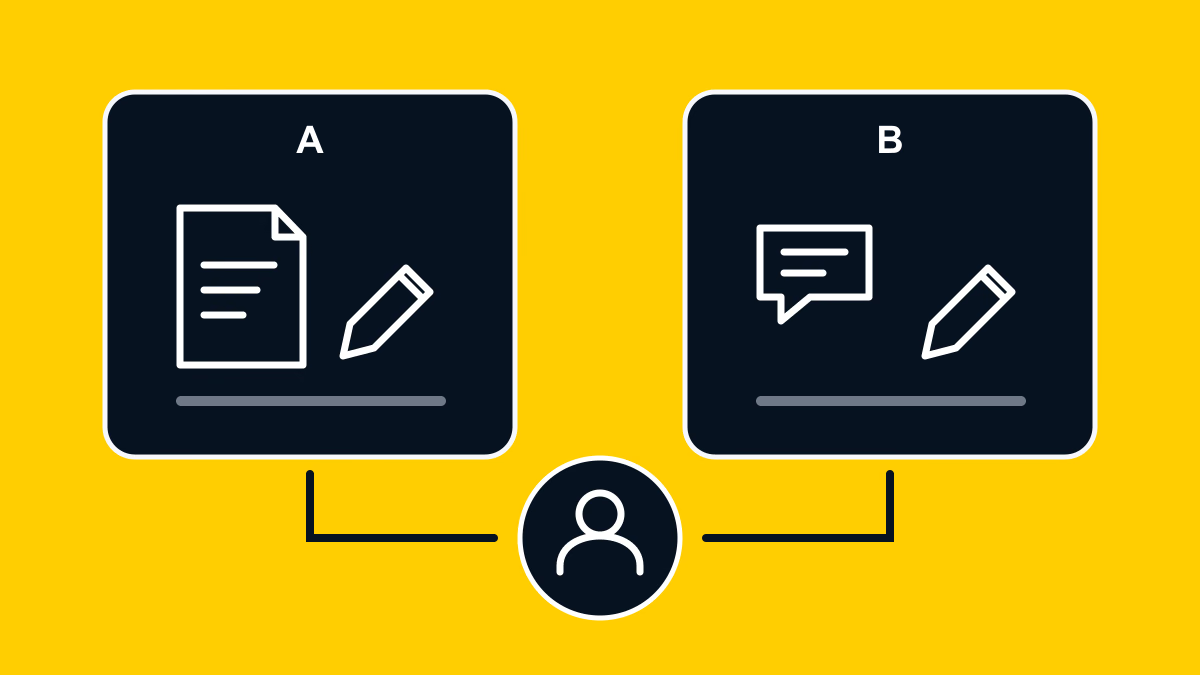
Table of contents
Start by separating the work behind an article: preparing material, gathering knowledge, writing, checking and getting the page ready to publish. Decide what your team can provide and where it needs help. Then agree who does each task and who makes the decisions. A writing assignment may be enough; a team that also needs help gathering and organising material may want a wider scope.
The same article count can cover different work
The following example is fictional. The packaging-equipment supplier, people, documents and proposals are invented for this explanation. They do not describe Supasaito or a real customer.
Aya coordinates the supplier’s blog. She wants an article for potential customers considering a first equipment demonstration. It will answer: “What does the first demonstration include, and what should I prepare?”
She has the company’s current demonstration sheet, which explains how the team arranges a session:
We discuss what you want to package and agree what the demonstration will cover. Following that discussion, we confirm the information or samples needed before the session.
She also has an enquiry asking whether to send samples immediately or first explain what the person wants to package. Aya wants the article to clarify that choice.
The sheet gives her a starting point, but she cannot yet explain why the discussion comes first. Ren, a colleague who knows the demonstration process, can help explain it and check the facts. The service owner can confirm the current offer and what the company may promise publicly. Aya needs their input before she can prepare material a writer can use.
She receives two editorial proposals. Both offer “four articles per month”, but their descriptions divide the work differently.
Proposal A: writing from supplied material
You provide a confirmed brief and source material. We prepare the structure and draft, flag missing information and make the agreed revisions. Interviews, website entry and publication are excluded.
Proposal B: coordination and production
We help refine the brief, review supplied material, conduct an agreed specialist interview, organise source notes, write and revise. We enter the checked copy into the website. Your team supplies access to material, specialist participation, factual decisions and permission to publish.
With A, Aya gathers Ren’s explanation and prepares the confirmed material before handing it over. With B, she can ask the partner to help with that interview and preparation. She still needs to arrange Ren’s participation and the company’s decisions.
Before choosing, Aya needs to know who will prepare the material, interview Ren and arrange the checks. A promise of four articles a month does not answer those questions. The count in this example is only a way to compare the offers; it is not a recommended publishing frequency.
Identify the help you need before choosing its scope
Aya’s gap is more than writing time. She also needs help turning the demonstration sheet and Ren’s knowledge into material that answers the reader’s question.
British Columbia’s guidance on working with subject experts distinguishes checking facts from explaining them clearly. It concerns government web content. Here, the distinction helps Aya separate what Ren can confirm from what the writer needs to explain.
That does not mean a knowledgeable colleague cannot write. In GitLab’s documentation process, developers are the main authors of feature documentation, with technical and documentation reviews. This is one organisation’s arrangement, rather than a model every company blog should adopt.
If your team has someone with the knowledge, writing skills and time, internal production is an option. If you can prepare the material and coordinate factual review but need writing capacity, an assignment like A may be sufficient. Aya also needs help gathering and organising the material, so she examines that part of B more closely.
If the article’s question is still undecided, our guide to choosing useful blog topics covers the earlier decision. Aya has selected her article. She is deciding how to get its work done.
Put the same article through both proposals
Aya compares what each offer would mean for the demonstration article. Where the proposal says nothing, she records “not stated” and asks, rather than assuming the work is included or excluded.
| Work to clarify | Proposal A | Proposal B |
|---|---|---|
| Preparing the question and material | The company supplies a confirmed brief and sources. | The partner reviews supplied material and helps refine the brief. |
| Interviewing Ren | The company handles it; interviews are excluded. | The partner conducts the agreed interview and organises the notes. |
| Additional public-source research | Not stated; clarify. | Not stated; clarify. |
| Structure, writing and revisions | Draft from supplied material; agreed revisions. | Draft from the material and interview; agreed revisions. |
| Language editions | Not stated; clarify. | Not stated; clarify. |
| Checking facts and company commitments | The company identifies who can confirm them. | The company identifies who can confirm them. |
| Website preparation and publication | Both excluded. | Enter the checked copy; publication needs company permission. |
The table helps Aya identify the work she can request and the contributions she must still arrange. It does not make B the better choice merely because its scope contains more tasks.
If she needs public-source research, she asks what the partner would investigate and whether that work is included. General information about equipment cannot, by itself, establish what this supplier has agreed to provide in its demonstration. For that, the writer needs the current offer and confirmation of any unclear commitment.
Aya also asks which language the quoted article production covers. In this example, both providers confirm that their writing scope covers an English draft. A Japanese edition would need a separate scope agreement. If Aya wants both English and Japanese versions of the article, she needs a proposal that explicitly includes both.
Next she asks what “revisions” means. Both providers explain that corrections against the agreed brief are within their revision scope. A different question or audience would mean discussing a change to the work. Those are the fictional offers’ clarified terms, not a rule about every editorial agreement.
ProCopywriters’ briefing and scoping guide recommends clarifying deliverables, exclusions, revisions, client inputs and assumptions. Aya uses those questions to find out what the offers would involve in practice.
Connect the partner’s work to the company’s decisions
Aya wants to request B’s interview and coordination work for the first article because that is where she needs help. Before proceeding, she checks whether Ren can take part and whether the service owner can confirm the demonstration sheet.
A partner may already know the industry well. That does not settle whether it has access to the company’s current material or authority to represent its commitments. If Ren’s explanation conflicts with the sheet, Aya shows the difference to the service owner. While a point central to the answer remains unresolved, the work depending on it waits.
She also makes the later review more specific than “the company checks it”. Ren will compare the relevant draft passages with the demonstration material and identify any mismatch. Aya will check whether the explanation answers the prospective customer’s question and whether its links work.
The designated approver will then receive the draft and findings to decide whether it may be published. Entering the text into the website does not complete that decision. The Department for Education’s quality-assurance guidance similarly separates factual checking, clearance to publish and final checks in context. Even where one person does several jobs, the checks can remain distinct.
If Ren cannot make time, Aya needs another suitable reviewer, a narrower assignment or a later start. Adding a writer and obtaining the information needed for the answer are separate tasks.
Write down the first assignment
Aya records what she has learned in the assignment for the first article. Instead of handing over “write about our demonstration”, she prepares the following note.
First demonstration article: assignment
- Reader and question: a prospective customer considering a first demonstration. Explain what is discussed beforehand and what the person should prepare.
- Company inputs: the current demonstration sheet and the permitted passage from the enquiry. Aya arranges Ren’s interview and the service owner’s confirmation.
- Partner deliverables: interview questions, the interview and source notes, an English draft, revisions following the checks, and website entry after content approval. A Japanese edition is outside this assignment and needs a separate scope discussion.
- Checks: Ren compares the demonstration explanation with its sources. The service owner confirms current commitments and resolves discrepancies. Aya checks the explanation and links, then passes the findings to the publication approver.
- Exclusions: prices, guaranteed equipment suitability, a fixed demonstration duration and equipment operating instructions. No public release before company clearance.
- Next checkpoint: agree material access and the interview/review arrangements before setting a release date. Hold any passage whose central answer remains unconfirmed.
- What B returns to Aya: the draft, source notes and review findings, together with a clear list of any questions still unresolved.
This is a prepared assignment. It is not a completed article, an accepted supplier contract or a publication. Our guide to preparing a company-article writing brief explains how to collect the question, sources and instructions for writing. Although that guide uses an AI-assisted example, organising the material is also useful when commissioning a person.
When B returns the article material to Aya, it should identify what it is delivering and which questions remain unresolved. The Chartered Institute of Editing and Proofreading’s editorial project advice recommends identifying returned material and important outstanding issues. It concerns editing and proofreading projects; here it helps Aya specify what she expects to receive from B.
The comparison and assignment are a practical method we propose. They do not establish time savings, reader understanding or increased enquiries. To try the method, choose one article and read the activities listed in the proposal, such as preparing the material, interviewing a colleague, writing, revising and entering the text into the website. Beside each activity, record what the partner will do, what your company will supply and who will check the work. Ask about unstated terms, then agree the next checkpoint from that shared understanding.
FAQ
- Can our own specialist write the article?
-
Yes, if they have the writing skills and time. Also decide who checks facts, the explanation and permission to publish. If you need external help, distinguish writing from editing or gathering material before deciding what to commission.
- Does external production always require an interview?
-
Confirmed material may be enough to answer the question. If reasons or conditions remain unclear, discuss whether an interview or further checking belongs in the assignment. The article count alone does not tell you whether an interview is included.
- Should we treat work missing from a proposal as excluded?
-
Ask first. “Not stated” and “excluded” are different findings. Clarify languages, revisions, research, website preparation and publication, then carry the answers into the assignment.
- Does the factual reviewer also decide whether to publish?
-
Check whether that person has publication authority too. Factual accuracy, a clear explanation and permission to publish are different checks. They remain distinct even if the same person performs more than one.