How to Choose the Right Webflow Developer: A Guide to Business Success
Quick answer: check three things before you sign anything. A portfolio of real, shipped sites — not templates — that looks like the kind of site you need. Independent reviews and certifications, ideally a listing in the Webflow Expert Directory, so someone other than the developer vouches for them. And communication you can live with, tested during the first conversation, because unclear expectations cause more failed projects than missing skills do.
Webflow is a popular website building and design platform that allows you to create websites without coding knowledge. However, when advanced development is required—such as for highly customized designs, feature-rich sites, or easily managed platforms—the expertise of a Webflow developer becomes essential.
In this article, we’ll explore how to find the right Webflow developer for your project, the three key points that identify a reliable one, and what to watch out for when you outsource.
Benefits of Hiring a Professional
Original Design
Professional developers build entirely original layouts and structures, enabling smoother troubleshooting when issues arise. By contrast, freelancers or individual creators often rely heavily on templates, which can lead to inconsistent designs or difficulties in resolving problems.
Increase in Page Views
Experts familiar with Webflow and web development know how to configure essential SEO elements such as HTML, site structure, headings, alt tags, titles, and meta descriptions. SEO is crucial to leveraging your website as a true business tool.
3 Ways to Find Webflow Developers
1. Search the Webflow Expert Directory
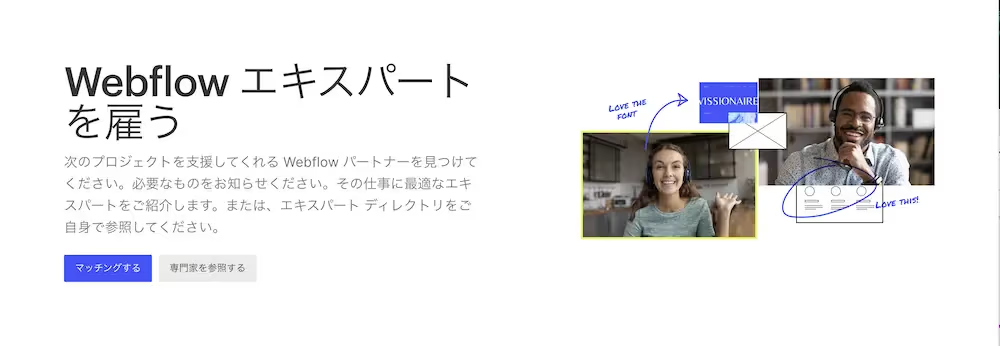
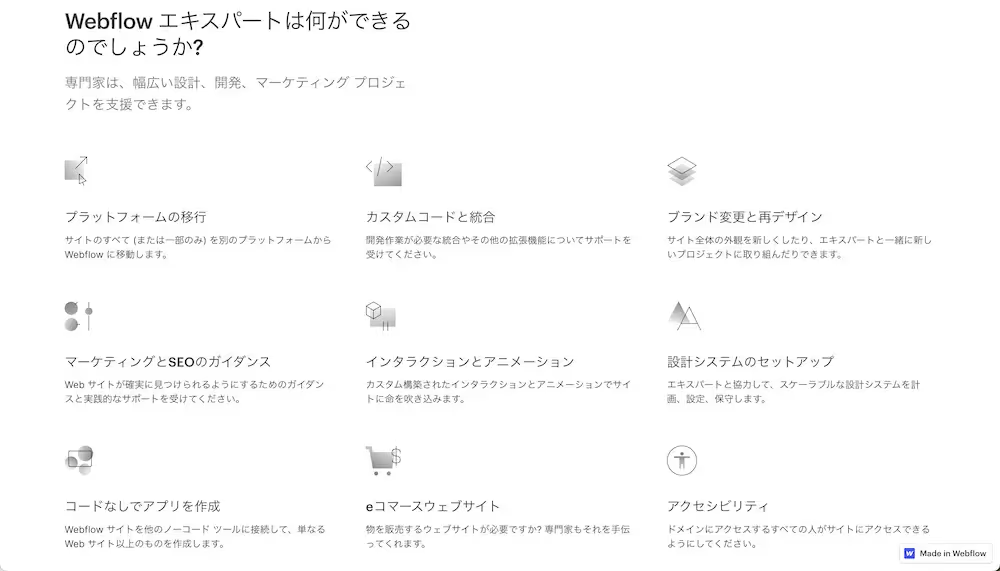
From marketing and data analytics to 3D animation, you’ll find experts who can meet your exact needs. Webflow provides a platform for hiring certified freelancers and agencies recognized as Webflow Experts. You can search by location, services, or expertise.
Our company, Supasaito, is one of the few recognized Webflow Expert agencies in Japan, and was the first in the country to reach Enterprise Partner status. You can view our profile here.
Visit the Webflow Expert Directory here.
2. Attend Webflow Events
Webflow hosts workshops, meetups, and events where you can meet developers and designers to build networks and potential partnerships. In Japan, we regularly host seminars and study sessions as a Webflow community leader.
3. Word of Mouth
If you know other website owners or designers using Webflow, ask for recommendations. Referrals are an effective way to find experienced and trustworthy Webflow developers.
3 Points for Finding a Reliable Webflow Agency
When choosing a Webflow agency, it’s important to confirm their years of experience and the number of sites they’ve built with Webflow. Experienced developers bring the skills and know-how to deliver high-quality results. Here are three points to check:
1. Review Portfolio
Check the developer’s portfolio to evaluate the quality and style of their past work. A strong portfolio indicates the ability to produce high-quality websites and helps you understand their design approach.
2. Check Reviews and Ratings
Look at client reviews and ratings to gauge trustworthiness and skill. On freelance platforms, see what past clients say about their reliability and project performance. Investigating their previous projects can also provide valuable insight.
3. Evaluate Communication Skills
Effective communication is key to explaining specifications and tracking progress. Choosing a Webflow developer who communicates clearly and understands your needs can improve both quality and timelines. Pay attention during your initial interactions to ensure smooth collaboration.
What to Watch Out for When Outsourcing Your Site
Finding candidates is the easy part—choosing between them is where projects go wrong. Companies have come to us after a bad first experience: a site delivered with no post-launch support and no idea how to update it, or a significant budget spent on a site that didn’t match the brief. A few precautions go a long way.
Compare Several Candidates
One of the most common mistakes is settling on the first developer you find. Take the time to compare a few—credentials, portfolios, client feedback, and any certifications they hold.
Don’t Decide on Price Alone
Staying on budget matters, but the cheapest option is rarely the best one. Weigh expertise, track record, post-launch support, and whether the design is built to convert—not just the quote. A slightly higher upfront investment usually pays for itself in the result.
Agree on Timeline and Requirements Upfront
Set your deadline and site requirements before the project begins. Unclear expectations are the most common cause of delays and deliverables that miss the mark.
Ask How Progress Will Be Communicated
Silence mid-project is stressful. Before kickoff, agree on how you’ll track progress—a project management tool, regular check-ins, or both.
Check What Happens After Launch
A website only pays off if your team can actually run it. Ask what the handover includes: training, documentation, and ongoing support. A good partner leaves you able to update and manage the site yourself—not dependent on them for every change.
As you can see, a professional developer does more than just build a website—they design and strategize in ways that generate real business value. While you can also search through social media or crowdsourcing platforms, it’s crucial to thoroughly review portfolios and ratings to confirm reliability.
If you would rather skip the search: tell us about your project and we will tell you honestly whether we are the right fit — and what a realistic scope and timeline look like. You can also see how we work on our Webflow development page.
Use these methods to find the expert who best matches your project needs!